Leak Detection in Anaheim, CA
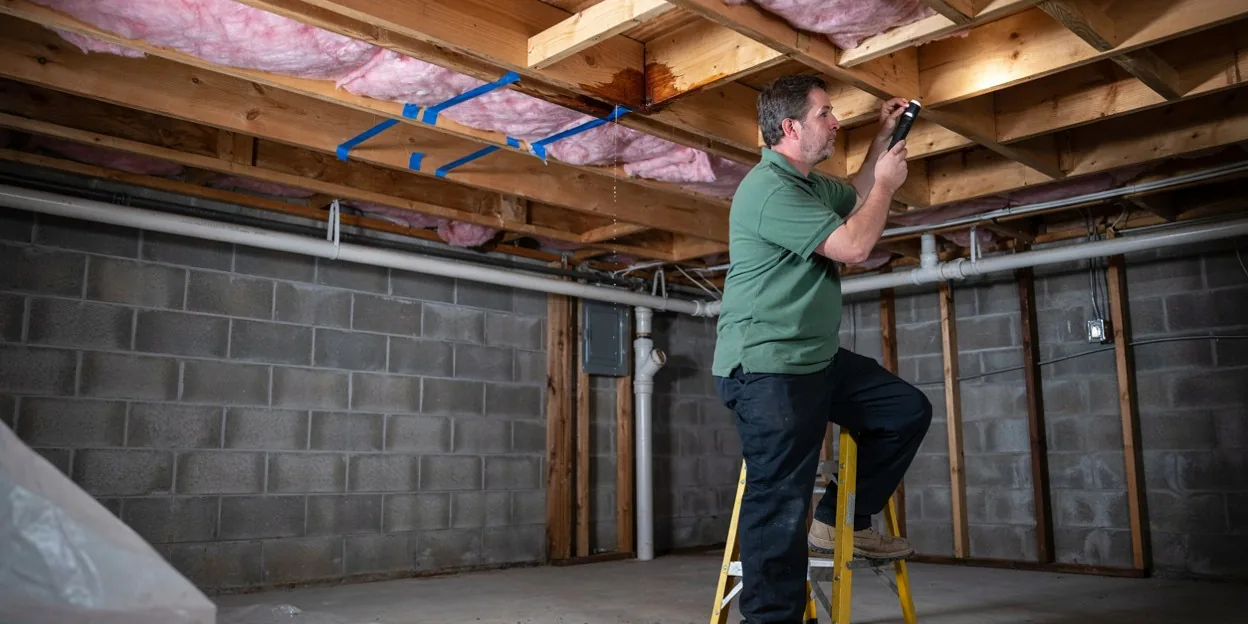
The water bill from Anaheim Public Utilities came in at twice what it was in the spring. There is a spot on the hallway tile that is warm under bare feet, and the carpet at the edge of the back bedroom has gone dark at the tack strip. Nothing is dripping anywhere. This site puts you through to an independent local provider who finds hidden leaks in houses across Anaheim and north Orange County.
Finding the pipe without tearing up the floor to look for it
A slab house hides its plumbing in concrete. The supply lines run under the slab from the meter to each fixture, so a leak shows up as a symptom somewhere else: a warm patch over a hot line, a moist edge of carpet two rooms away, a hairline crack in the tile grout, or just a meter that will not stop. The point of leak detection is to find the one spot where the pipe failed so the plumber opens a square foot of concrete instead of a trench.
The provider starts at the meter. With every fixture off, a spinning meter means a leak between the curb and a faucet. Then they isolate hot from cold at the water heater, because most slab leaks in Anaheim are on the hot side, where hard water and heat eat the copper faster. From there they use listening equipment on the slab, pressure tests on each line, and a thermal camera that shows the warm trail of a hot leak through the tile. The result is a mark on the floor, and that mark is where the plumber cuts.
Checking the meter yourself tonight
Turn off every fixture in the house, including the ice maker line and the irrigation. Open the meter box at the sidewalk and watch the small triangle or the leak dial on the meter face for two minutes. If it turns, you have a leak. Then close the valve by the hose bib where the main comes up out of the slab. If the meter stops, the leak is somewhere in the house lines. If it keeps turning, the leak is in the yard between the curb and the house. Write down the reading either way, take a photo of it, and tell the provider what you saw.
Repair, reroute, or repipe once the spot is marked
Finding the leak is the detection job. What happens next is the plumber's, and there are three usual answers. A spot repair opens the slab at the mark and fixes that one section. A reroute abandons the line under the slab and runs a new one through the attic or along the walls. A repipe replaces every supply line in the house, usually in PEX, and ends the slab leak problem for good. On a 1960 tract house with its third slab leak, the provider will tell you which one makes sense; the choice is yours.
The water the leak already put out still has to be dealt with. The wet carpet, the lower drywall, and the cabinet bases are a slab leak cleanup, and if water is standing it starts with water extraction.
Why the copper under Anaheim fails on schedule
The flat part of the city was built out between 1953 and 1965, and the standard was a slab with type M copper run underneath. The water those lines carry is mostly groundwater from the Orange County basin, blended with imported water, and it is hard. Anaheim's own water quality report puts hardness between 8 and 25 grains per gallon depending on the year's mix. Hard water scales the inside of a hot line, the scale flakes, the bare copper pits, and sixty years later the pinhole arrives.
The pattern is different in Anaheim Hills. Those houses went in from 1972 onward, many with copper in the walls and the slab, and the problem there is often a pressure regulator that failed and let full street pressure onto old lines, or a slope lot where irrigation and a leaking line are hard to tell apart. The meter test still sorts it.
A homeowners policy in California often pays for the water damage a leak caused and may pay to open and close the slab to reach it, but usually not the pipe repair itself, and a leak that ran for months can be called wear and tear. This site cannot read your policy. The detection report, with the location and the pressure readings, is a document your adjuster will want.
Calling about a bill that doubled or a floor that feels warm
Say what you noticed, whether the meter turns with everything off, and whether it stops at the house valve. Mention any warm floor, damp carpet, or sound of running water. Keep the address and a number we can call back on within reach. Call (657) 239-3689.